
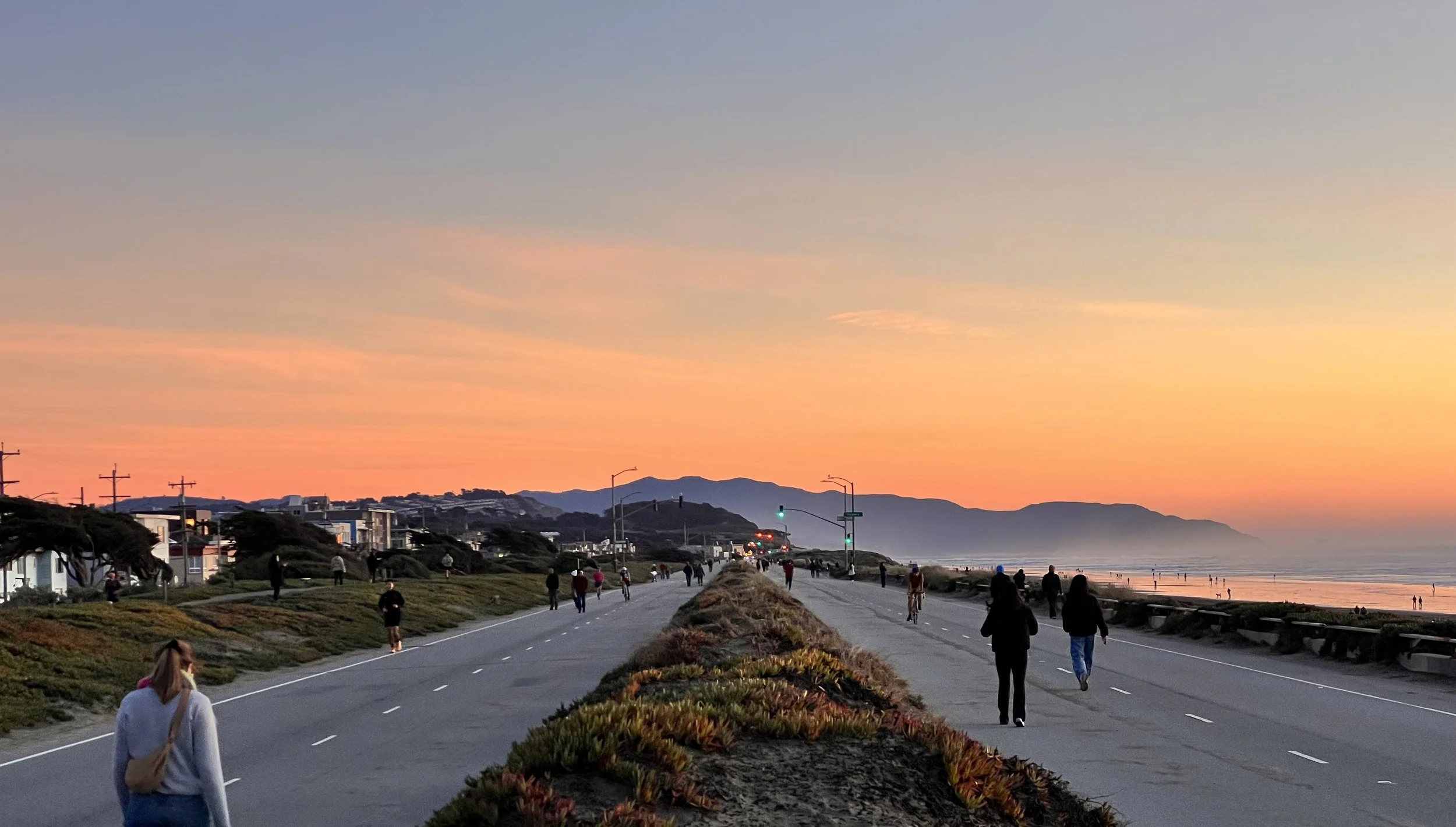
A generational opportunity to transform a redundant coastal road into a new oceanfront park
We should seize this opportunity because:
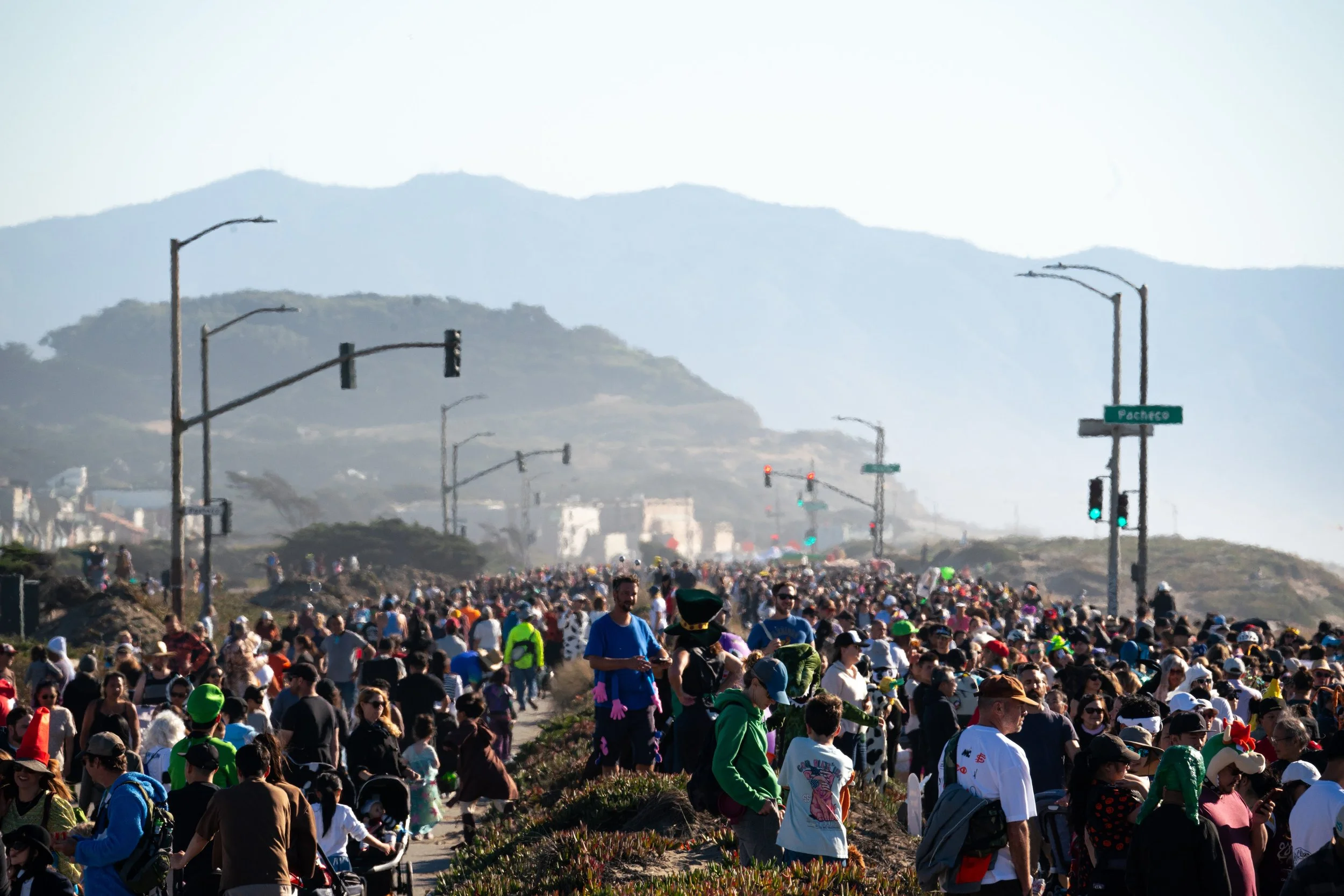
People love it
The part-time promenade is visited by around 10,000 people every weekend, making it the city’s third most popular park.
We can build on that success by adding park infrastructure to enhance the enjoyment of the coast and draw even more people, like tables and benches with ocean views, playgrounds, dog runs, and anything else San Franciscans imagine.
Visits to Golden Gate Park increased by 36% with the pedestrianization of JFK Promenade, demonstrating the popularity of similar park spaces.
It makes the coast more accessible
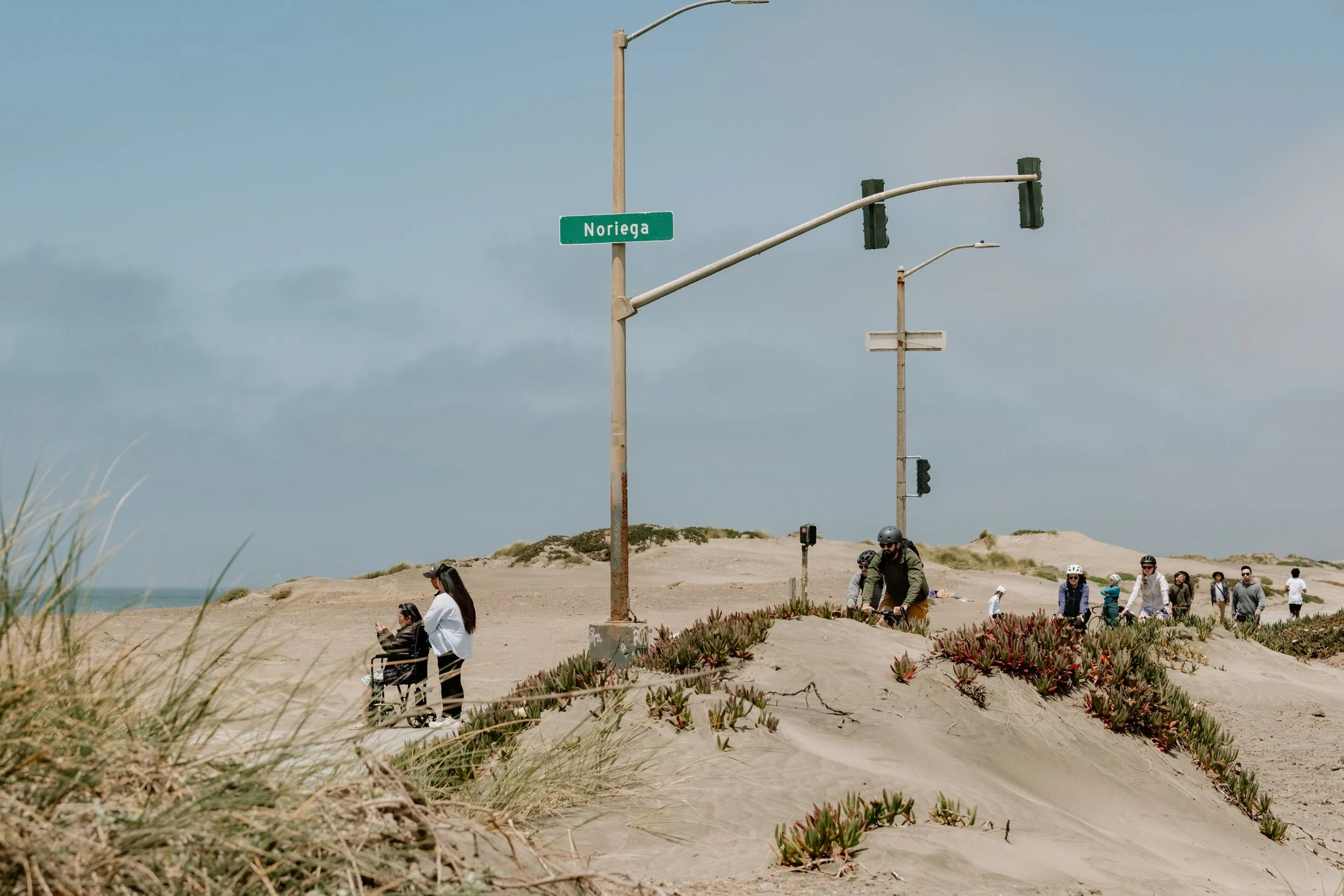
A coastal promenade allows people to enjoy the coast in ways not possible on the beach itself, from wheelchair users to skaters, kids on bicycles, and more.
A permanent park will make enjoyment of the oceanfront a part of daily San Francisco life regardless of how people choose to enjoy the coast.
Even the New York Times agrees!
It’s good for the environment
Routing cars inland removes automobile pollution from our sensitive coastal habitat.
Run-off pollution, which comes from non-exhaust sources like brakes and tires, is one of the leading causes of ocean pollution. And since cars need to route inland anyway due to the closure of the southern end of the Great Highway, the vehicle miles traveled will be the same with or without a park.
Making the space a permanent park will also better enable long-neglected dune restoration work, including removing invasive ice plants and planting native species. Restoring the dunes will help protect them from rising sea levels.
This is an opportunity to rehabilitate the coastal habitat by sparing it from the impacts of car commuting.
It’s good for business
A coastal park brings thousands more potential customers to the doorsteps of Sunset District businesses. An oceanfront park will become an iconic destination drawing visitors to San Francisco’s West Side, and that’s good for our local businesses.
In contrast, the Great Highway as a roadway offers no access to the Sunset neighborhood, meaning drivers using the road bypass all Sunset businesses.
It’s good for the community
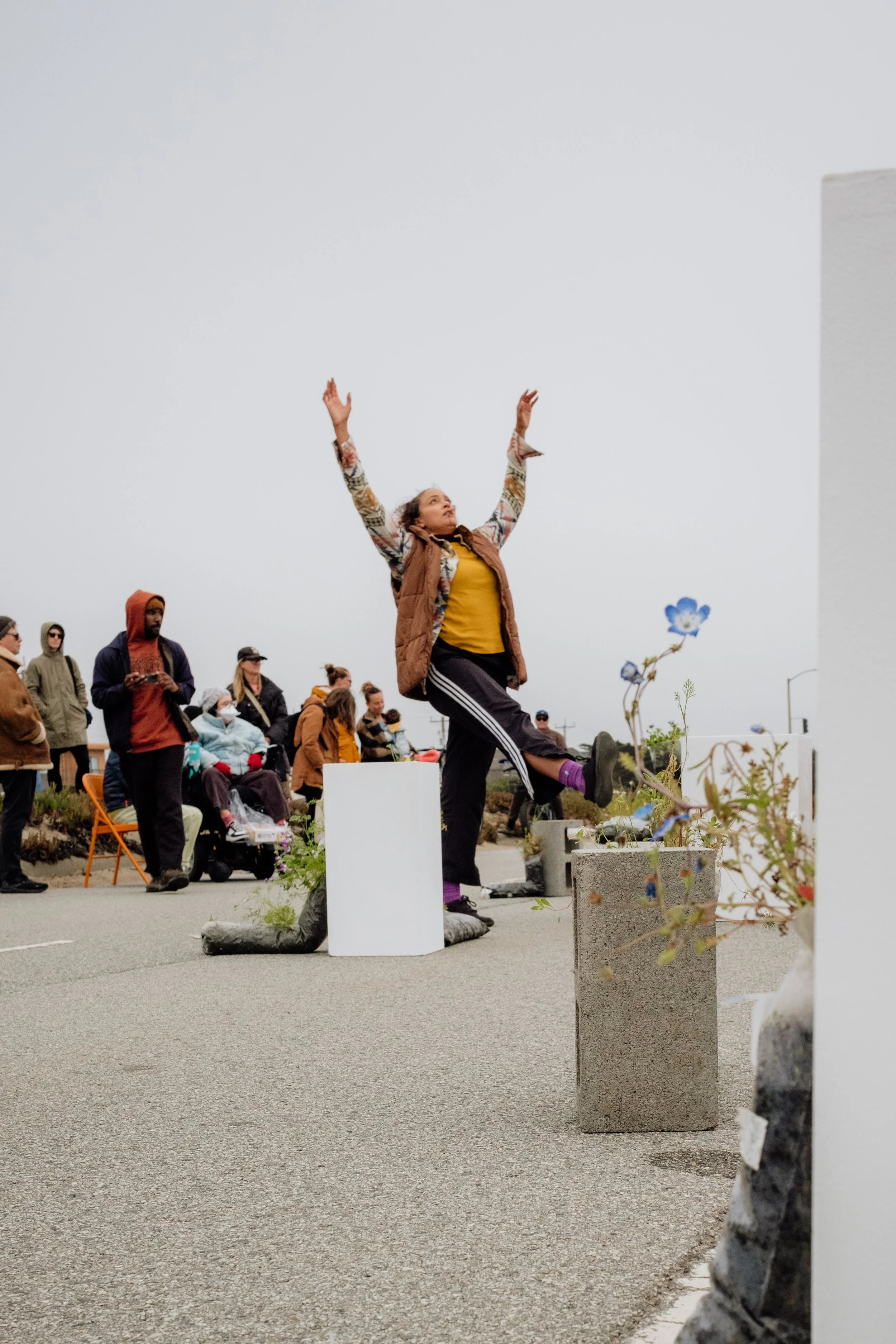
The Great Highway Park Pilot has become a valued community space.
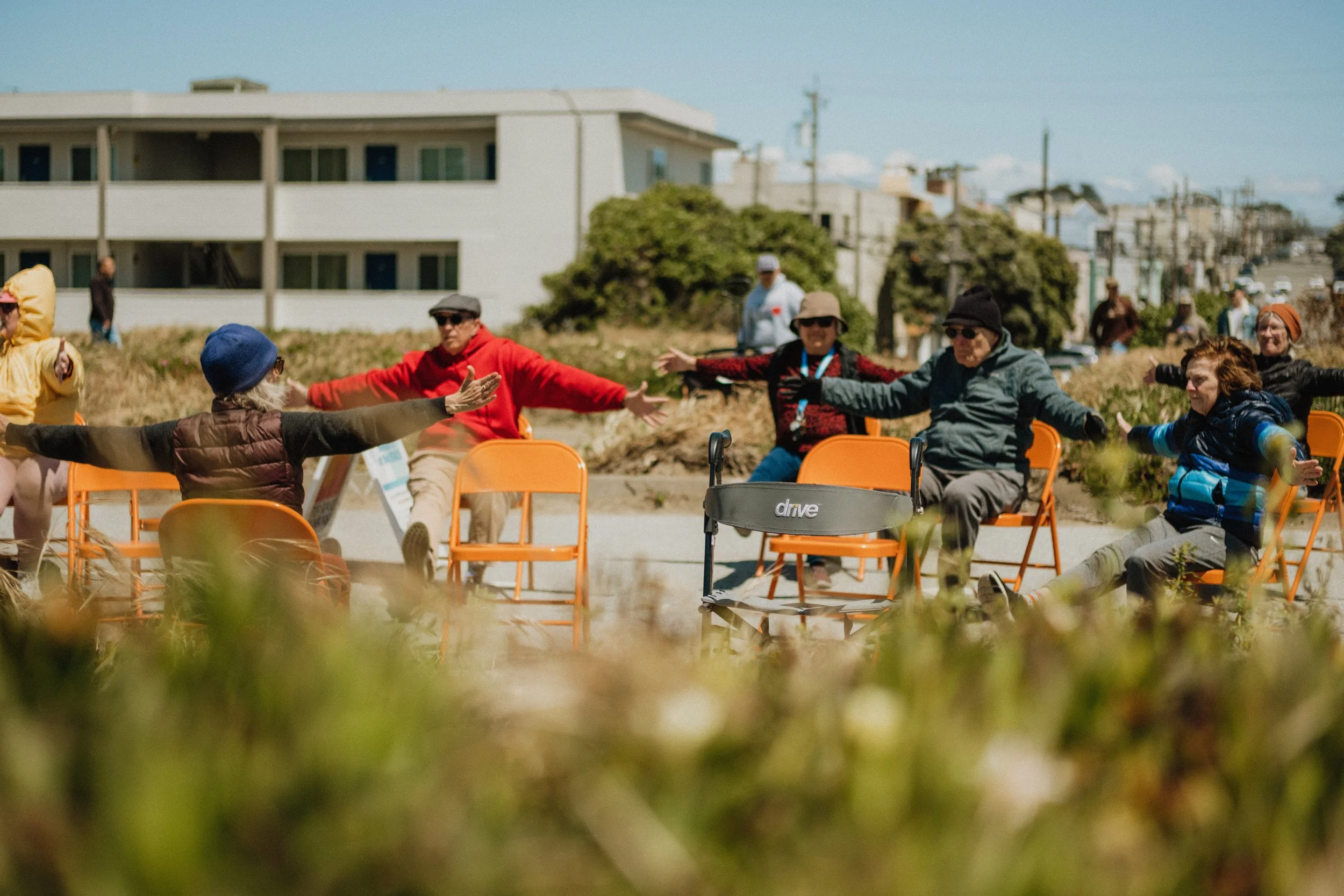
It’s become a space for weekly free events including adaptive yoga for seniors, Tai Chi, concerts, and art exhibits.
The promenade also hosts larger annual events like the Great Hauntway, a Halloween event that hosts thousands of children every year for over one mile of trick or treating.
And we’re just getting started
Passing Prop K in November is the first step toward restoring our coast.
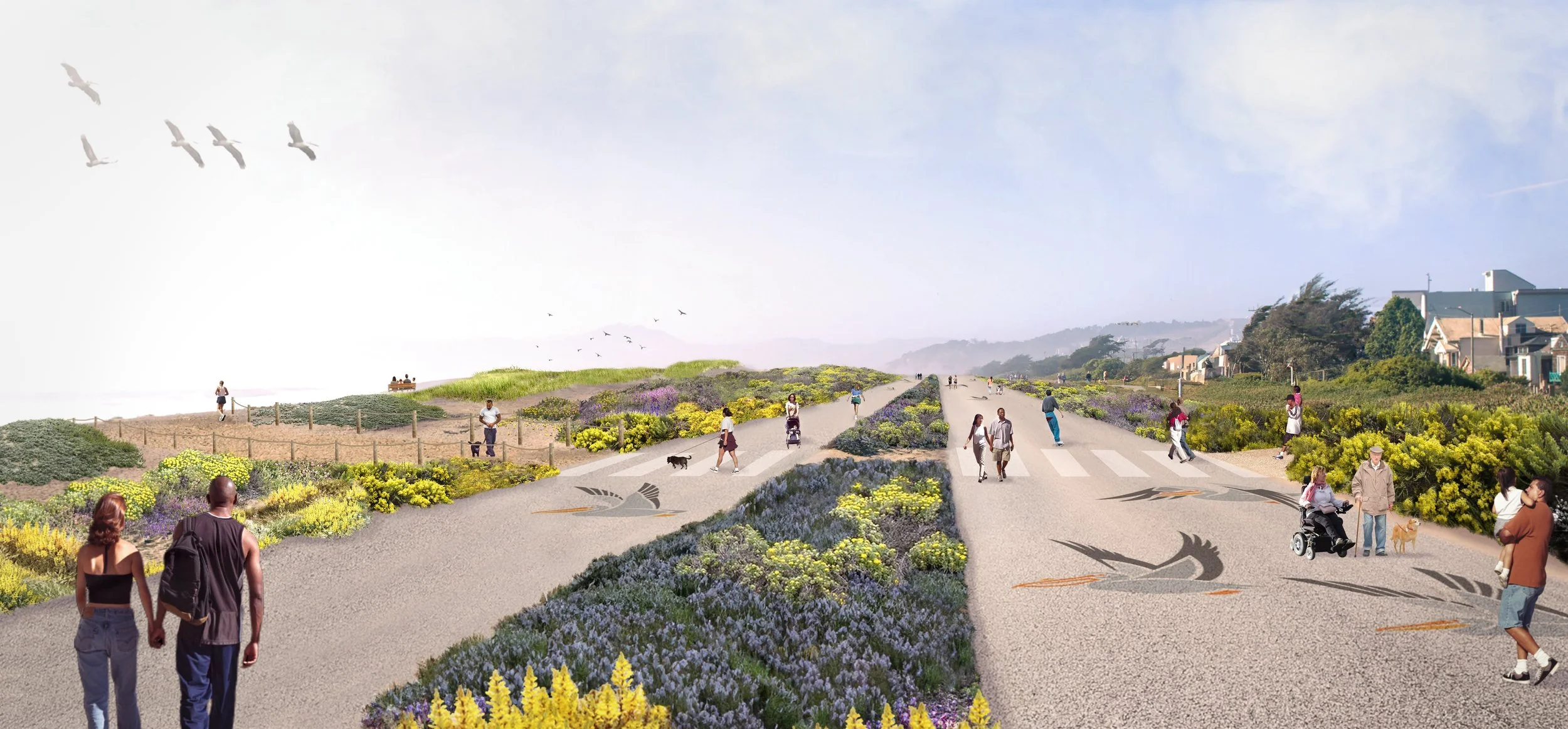
In the near term, a permanent park will allow the city to start restoring the sand dunes, planting native plants, and adding low-cost amenities like benches.
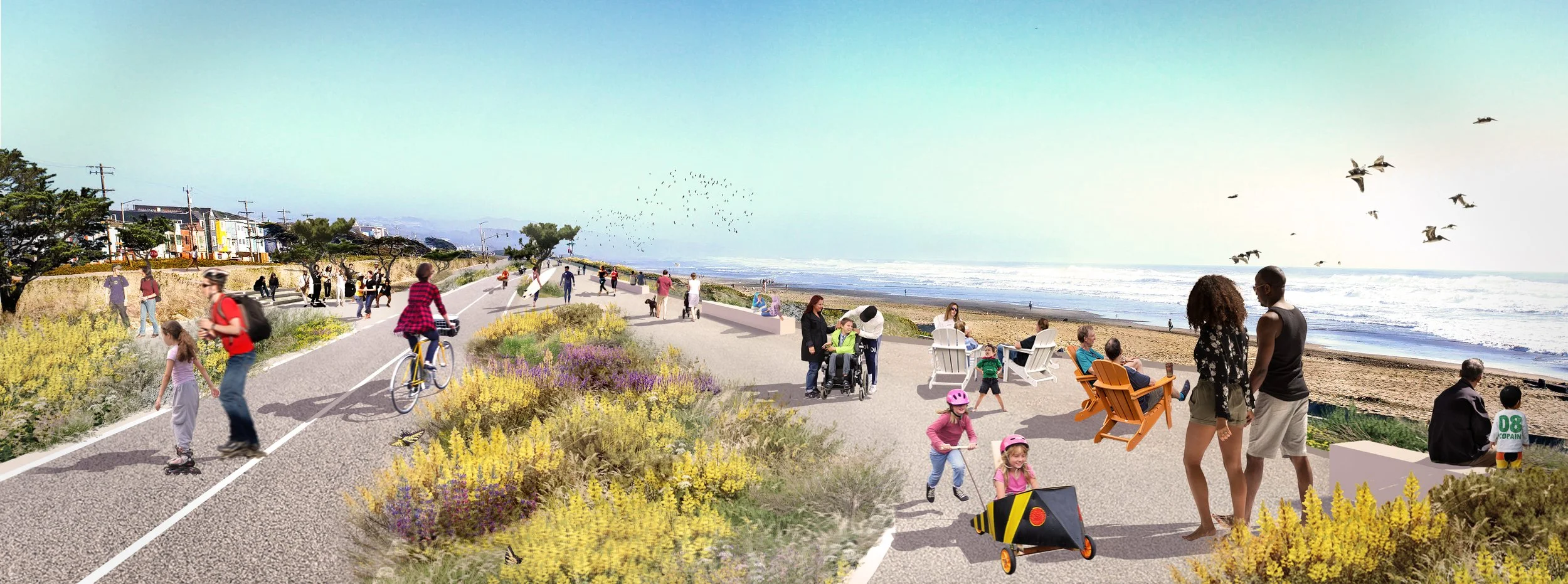
In the long term, the community will ultimately decide the future of our oceanfront.
Help us achieve a positive and resilient vision for our coast by voting YES on K.
What about traffic?
The Great Highway’s southern end is permanently closing to traffic because of coastal erosion.
That means the Great Highway, which is already closed up to 65 days a year for sand clearance, will soon become a road to nowhere.
Car commutes will have to shift inland either way. Prop K shifts them inland one street earlier - at Lincoln instead of Sloat - in exchange for a world-class oceanfront park.
Everyone can enjoy the park. For drivers, traffic on the Great Highway and all nearby streets remains significantly below pre-pandemic levels. According to the SFMTA, the most impacted trips will be Outer Richmond to Daly City trips, which could take three minutes longer during rush hour. Other trips are not significantly impacted.
Those three minutes reflect the street infrastructure today, without any improvements to adapt to the new inland commute. Learning from the feedback to the pilot program, westside Supervisors Engardio and Melgar are already working with the SFMTA on improvements to streamline the new inland commute. Replacing stop signs with signal lights on Lincoln and Skyline will give drivers a smoother, less sand-influenced route in and out of the city.